← BACK TO BLOG
The Edge · Gear
The Gear Every Endurance Athlete Actually Needs.
After decades in endurance sports, here's what genuinely moves the needle — and the overhyped stuff you can comfortably skip.
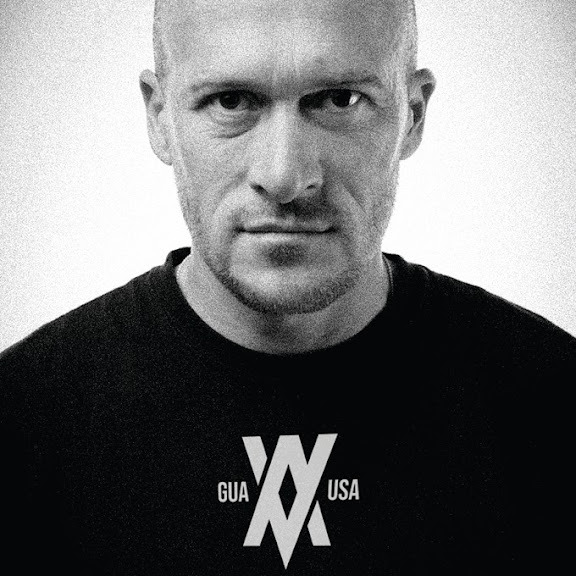
Anton Villatoro
Olympian · Former US Postal Pro Cyclist · Founder, RaceHQ
October 1, 2026
6 min read
The truth about gear
When I was racing professionally, our team had access to everything — the best bikes, the most advanced equipment, nutrition protocols developed by sports scientists. And what I learned from that experience was the opposite of what the gear industry wants you to believe: most of it doesn't matter nearly as much as the fundamentals.
The endurance sports gear market is enormous and loud. Every season brings new technologies, new materials, new claims about performance gains. Most of it is marketing. Some of it is genuinely useful. A small fraction of it will meaningfully change your race results.
After decades in this sport — as an athlete, a race director, and now as founder of RaceHQ — here's my honest breakdown of what's worth your money and what isn't.
"Most gear doesn't matter nearly as much as the fundamentals. But the right gear, used correctly, absolutely does."
Anton Villatoro — Olympian & Race Director
The gear that actually matters
👟
The right running shoes
This is the one area where spending money is unambiguously justified. The wrong shoes cause injury. The right shoes don't. You need two pairs in rotation — a high-cushion daily trainer for easy and long runs, and a lighter, more responsive shoe for workouts and races. The Hoka Clifton is the daily trainer I point athletes to every time. Don't scrimp here.
Hoka Clifton 10 on Amazon →
⌚
A GPS watch with heart rate
Not for pace — for effort. Heart rate data is how you know if your easy days are actually easy, whether you're recovered enough to train hard, and how your fitness is trending over time. You don't need the most expensive model. You need one that tracks heart rate accurately and gives you data you'll actually use. The Garmin Forerunner 165 does everything most athletes need at a price that makes sense.
Garmin Forerunner 165 on Amazon →
💧
A handheld water bottle or hydration vest
Dehydration is one of the most common and most preventable causes of a bad race. If your long runs exceed 60 minutes, you need to be carrying fluid. A simple handheld flask is sufficient for most half marathon training. A vest becomes worthwhile for runs over two hours or if you train in heat. The Nathan SpeedDraw Plus is the most comfortable handheld I've found.
Nathan SpeedDraw Plus on Amazon →
🛡️
Anti-chafe balm
Body Glide costs less than $10 and has saved more races than any piece of performance technology I can name. Apply it anywhere skin touches skin or fabric touches skin before every long run and every race. Thighs, underarms, anywhere your kit rubs. If you've ever had to walk the last 3 miles of a race because of chafing, you know exactly why this is on the must-have list.
Body Glide on Amazon →
⚡
Race-day nutrition
For anything over 75 minutes, you need to be taking in carbohydrates during the race. Gels, chews, or real food — whatever your stomach tolerates. The key word is tolerates. Practice your race nutrition in training. Never try something new on race day. Maurten makes one of the highest-quality gels on the market, and the hydrogel technology is genuinely easier on sensitive stomachs.
Maurten Gel 100 on Amazon →
🔵
A foam roller
Recovery is training. A foam roller used consistently — 10 minutes after hard sessions, focused on quads, IT band, calves, and hamstrings — reduces injury risk and improves tissue quality over time. The Trigger Point GRID is the one I've used for years. Durable, effective, and the textured surface does a better job than a basic smooth roller.
Trigger Point GRID on Amazon →
"Body Glide costs less than $10 and has saved more races than any piece of performance technology I can name."
Anton Villatoro — Olympian & Race Director
The overhyped stuff you can skip
Skip It
Compression socks for performance
The research on compression socks improving race performance is weak and inconsistent. They're comfortable for some people and genuinely helpful for recovery after a hard effort — but wearing them during a race because you think they'll make you faster is wishful thinking.
Skip It
Most recovery gadgets
Percussion guns, ice baths, infrared saunas, hyperbaric chambers — these are tools for professional athletes with professional support staff and hours to fill between sessions. For the recreational endurance athlete, sleep and easy running will deliver 95% of what these gadgets promise at a fraction of the cost.
Skip It
Carbon-plated shoes for training
Carbon-plated shoes are race-day tools, not training shoes. Using them for daily miles increases injury risk and wears out a very expensive shoe prematurely. Save them for race day and key workouts. For everything else, a well-cushioned daily trainer is the right call.
Skip It
GPS watches with every feature
You don't need mapping, music, contactless payments, a blood oxygen sensor, or wrist-based running power. You need heart rate, GPS, and basic training metrics. Every feature beyond that is a selling point that adds cost and complexity without adding meaningful training value for most athletes.
Race day essentials — the short list
When it comes to race morning, less is more. Here's everything you actually need:
Shoes — your race shoe, not your training shoe. Kit — whatever you've trained in, nothing new. Bib and pins — pinned the night before. Watch — charged, set to your race metrics. Nutrition — gels or chews you've practiced with, tucked into your kit. Body Glide — applied before you leave the house. Water bottle — to sip while you warm up, left at bag check before the start.
That's the list. Everything else is optional. Getting to the starting line well-prepared is the hard part. Race day is just the victory lap.
"Getting to the starting line well-prepared is the hard part. Race day is just the victory lap."
Anton Villatoro — Olympian & Race Director
Next issue on The Edge: how to keep training through the holidays without losing the fitness you've built — the mindset and methods that keep athletes moving when the calendar gets chaotic. Subscribe below.
Want More Like This?
Join the RaceHQ community for race intel, gear guides, and training insights delivered to your inbox every week.
Everything Needed to Get to The Starting Line.
Discover top endurance races, curated gear picks, and the tools every athlete needs — all in one place.