What to Eat the Night Before a Race.
Most athletes get pre-race nutrition completely backwards. Here's what actually works — and what to stop doing the night before you toe the line.
In This Article
The mistake almost every athlete makes
The night before a race, most athletes eat a massive plate of pasta, drink extra water until they feel bloated, and go to bed convinced they've done everything right. I did the same thing early in my career. My stomach paid for it at the start line.
Here is what nobody tells you: the night before a race, your nutrition window has already closed. What you eat in the 24–48 hours before race day matters far more than any single pre-race meal. By the evening before, your glycogen stores are either topped up or they're not — one dinner isn't changing that.
What your body actually needs
Your muscles store glycogen — the fuel that powers endurance effort — and those stores take 24–48 hours to fully load. So the real pre-race nutrition window starts two days out, not the night before.
By race eve, your job is simple: don't do anything that disrupts what's already in place. No new foods. No large volumes. No experimenting. The night before the 1996 Atlanta Olympics, I ate the same meal I'd eaten before every major race for three years. Boring on purpose.
"Race eve is not the night to try something new. Boring is fast."
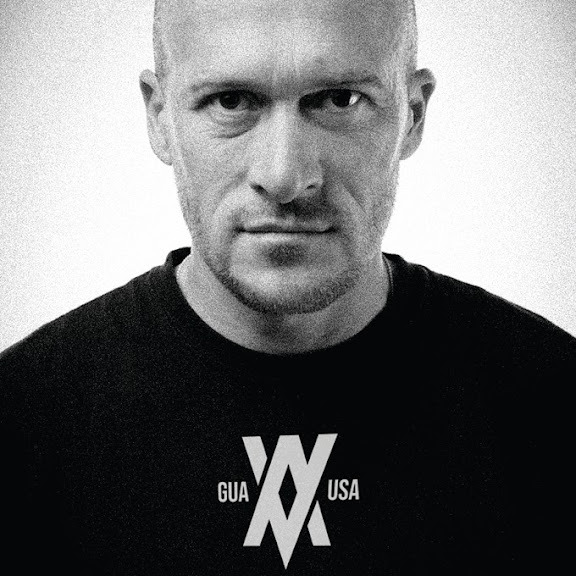
Anton Villatoro — Olympic CyclistThe pre-race meal that works
Keep it moderate in size — not a feast. Your digestive system needs to be quiet by race morning, not still working. A meal that's roughly 60–65% carbohydrate, 20–25% protein, and low in fat and fiber is the target.
What that actually looks like: rice or pasta with a lean protein — chicken, fish, eggs — and minimal vegetables. Sauce is fine. Heavy cream sauces, large salads, legumes, and cruciferous vegetables are not. Eat at least three hours before you plan to sleep. Go to bed comfortable, not full.
Hydration the night before should be normal. Not aggressive. Drinking two liters before bed doesn't load you with extra performance — it just puts you in the bathroom at 3am.
What to avoid completely
New foods. Race eve is not the night to try the local specialty at the hotel restaurant. I have seen athletes DNF because of a pre-race meal that disagreed with them. Your gut has a long memory for bad decisions.
Excess fiber. Vegetables, beans, whole grains — all healthy, all problematic the night before a race. Fiber increases gut motility. On race morning, that becomes a problem you cannot run away from.
Alcohol. Even one drink impairs sleep quality and glycogen synthesis. The night before a race it's simply not worth it.
Race morning is simpler than you think
Two to three hours before the start: a small, familiar, carbohydrate-rich meal. Toast, a banana, rice cakes, oatmeal. Something your body has processed a hundred times before. Keep it under 500 calories. The goal is topping off blood sugar — not loading fuel you haven't already stored.
Thirty minutes out: a gel or 20–30g of fast carbohydrate if the race is over 60 minutes. That's it. Everything else was decided two days ago.
"The best race nutrition plan is the one you've already tested in training."
Anton Villatoro — Olympic CyclistNext week on The Edge: why training hard isn't enough — and how stopping the gray zone will make you faster. Subscribe below.
Everything Needed to Get to The Starting Line.
Discover top endurance races, curated gear picks, and the tools every athlete needs — all in one place.