Why Sleep is the Most Underrated Performance Tool.
Every athlete obsesses over training loads and nutrition timing. Almost none of them take sleep seriously enough. This is where races are actually won.
In This Article
What actually happens when you sleep
When I was racing professionally, the team had a sports scientist who told us something that changed how I thought about training forever. He said: "You don't just get stronger in training. You also get stronger in bed."
He was right. Every adaptation your body makes from training — the muscle repair, the cardiovascular efficiency, the hormonal recalibration — happens during sleep. Not during the workout. The workout is the stimulus. Sleep is where the work gets done.
During deep sleep, your body releases human growth hormone, repairs damaged muscle fibers, consolidates motor patterns, and clears metabolic waste from the brain. During REM sleep, it processes emotional stress, consolidates memory, and regulates the nervous system. Skip the sleep and you skip the adaptation. You stressed the body and gave it nothing to work with.
Sleep debt is real — and it compounds
One bad night of sleep won't ruin your fitness. But most athletes aren't dealing with one bad night. They're dealing with a chronic, accumulating deficit they've normalized so thoroughly they no longer recognize it as a problem.
You've adapted to feeling tired. You think that's just how training feels. It's not. That's what sleep debt feels like.
Research is unambiguous here. Athletes sleeping less than seven hours per night show measurably higher injury rates, slower reaction times, reduced power output, and impaired glucose metabolism — meaning your body is less efficient at using the fuel you've carefully timed around your workouts. You can eat perfectly and train intelligently and still underperform if you're chronically under-slept.
"You don't just get stronger in training. You also get stronger in bed."
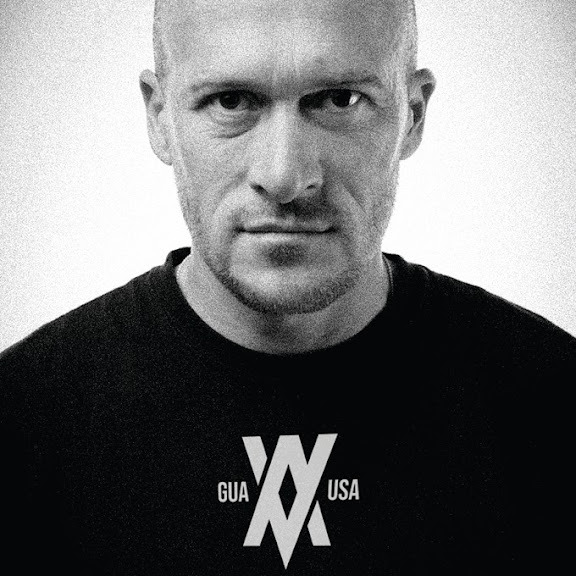
Anton Villatoro — Olympic CyclistSigns your sleep is sabotaging your training
Most athletes recognize poor sleep as feeling tired. But the performance signals are more specific than that. Watch for these:
Elevated resting heart rate. If your morning heart rate is running 5–7 beats above your normal baseline, your nervous system hasn't recovered. You can train through it, but you're going backwards.
Persistent muscle soreness. Normal DOMS lasts 24–48 hours. If you're still sore 72 hours after a session, sleep quality is almost always part of the equation.
Mood and motivation. This one gets dismissed as mental weakness. It isn't. Reduced motivation to train is a physiological signal, not a character flaw. A brain that hasn't recovered adequately will protect itself by reducing your desire to create more stress.
Stalled performance. If your times aren't improving despite consistent training and good nutrition, look at your sleep before you look at your program.
How much sleep do athletes actually need
The standard recommendation is seven to nine hours. For athletes in meaningful training — more than eight hours per week of structured work — the number is closer to nine. Elite athletes often target ten.
I know what you're thinking. Ten hours is not realistic. Fine. But here's the honest question: what would change if sleep were treated with the same discipline as your training plan? Most athletes schedule every workout. None of them schedule sleep.
Set a consistent bed time and protect it. The research on sleep timing is almost as compelling as the research on duration. Your body's circadian rhythm governs the quality of every sleep stage. Going to bed at wildly different times each night — even if you're hitting eight hours — disrupts the architecture of sleep and reduces its restorative quality.
"Most athletes schedule every workout. None of them schedule sleep."
Anton Villatoro — Olympic CyclistHow to optimize your sleep for performance
Temperature. Your core body temperature needs to drop 1–2 degrees to initiate sleep. A cool room — between 65 and 68°F — dramatically improves both sleep onset and deep sleep quality. This is one of the highest-leverage changes you can make at zero cost.
Light. Avoid bright screens for 30–60 minutes before bed. Blue light suppresses melatonin production and delays sleep onset. This is not a new idea but it's one almost nobody actually follows. The phone stays out of the bedroom.
Alcohol. A glass of wine helps you fall asleep and destroys the quality of that sleep. Alcohol suppresses REM sleep — the stage most critical for nervous system recovery and motor pattern consolidation. If you're racing in the next 48 hours, skip it entirely.
Consistency. Same bed time. Same wake time. Seven days a week, not just weekdays. Weekend sleep inconsistency — what researchers call social jet lag — is one of the most common and most underappreciated performance saboteurs in recreational athletes.
Naps. A 20-minute nap between 1pm and 3pm improves afternoon performance, mood, and reaction time without disrupting night sleep. When I was on the US Postal Service team we would take them on the massage table during multi-day stage races. They work.
Sleep is not rest. It is an active, structured biological process that your body performs on your behalf while you're unconscious. Train it like a discipline. Protect it like a workout. And stop treating it as what's left over after everything else is done.
"Sleep is not what's left over after everything else is done. It's the work itself."
Anton Villatoro — Olympic CyclistNext week on The Edge: how to build a race week routine that actually works — what to do, what to skip, and why most athletes get the final 48 hours completely wrong. Subscribe below.
Everything Needed to Get to The Starting Line.
Discover top endurance races, curated gear picks, and the tools every athlete needs — all in one place.