Why Your Easy Days Are Too Hard.
If you're training consistently but not getting faster, the problem probably isn't your hard days. It's your easy ones.
In This Article
The training paradox nobody talks about
You're training six days a week. You never miss a session. Your mileage is up. Your times are not. Sound familiar?
I see this pattern constantly in endurance athletes at every level. They assume the answer is more — more miles, more intensity, more time. Almost always, the answer is less. Specifically, less effort on the days that are supposed to be easy.
Why easy days creep up in intensity
Easy days drift hard for three reasons. First, ego. Going slow feels like wasted time. Strava doesn't reward you for a 12-minute mile. Your training partners are running faster. So you push — just a little. Then a little more.
Second, fatigue masks effort. When you're tired, moderate effort feels easy. Your perceived exertion is calibrated against how exhausted you already are, not against your actual physiological state. You think you're cruising. Your heart rate says otherwise.
Third, no one is watching. Hard days have intervals, targets, structure. Easy days have none of that — so athletes fill the void with effort.
"The athletes who showed up fresh on race day were the ones who were almost embarrassingly slow on their easy days."
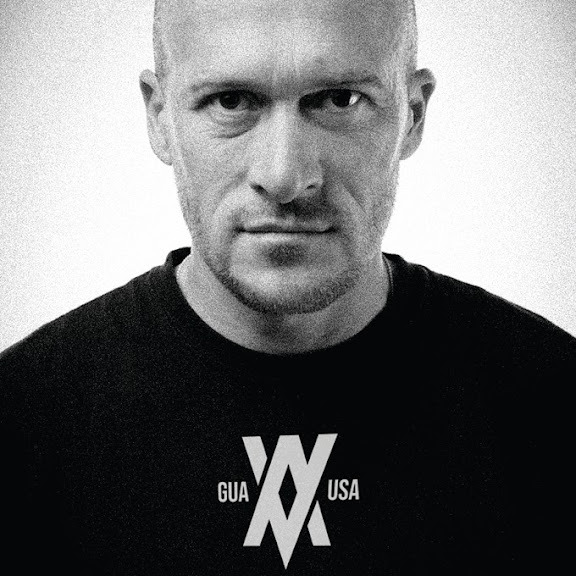
Anton Villatoro — Olympic CyclistWhat easy actually means
Easy means below 75% of your maximum heart rate. The whole session. Not average — the whole time. If your heart rate creeps above that on a hill, slow down. Walk if you have to.
At that intensity, you are building aerobic base, flushing metabolic waste from hard sessions, and allowing your muscular and nervous system to repair. This is not junk mileage. This is where your aerobic engine is built. It just doesn't feel like it because it doesn't hurt.
Easy also means easy pace. For most athletes that is significantly slower than they think. A runner who races a 5K in 25 minutes should be running easy days at 11–12 minutes per mile. Not 9. Not 10. Eleven to twelve.
The conversation test
Here is the simplest test for whether you are actually going easy. Can you hold a full, comfortable conversation — complete sentences, no pausing to breathe — for the entire session? Not just the first mile. The whole thing.
If the answer is no, you are not going easy. You are going moderate. And moderate is the gray zone — too hard to recover, too easy to adapt. It is the most common and most costly mistake in endurance training.
Slow down to speed up
Here is what happens when you actually commit to true easy effort. Your hard days get harder — because you arrive at them recovered. Your aerobic base expands — because you are spending real time in the zone where base is built. Your race times drop — not because you trained more, but because you trained smarter.
I have watched athletes add two minutes per mile to their easy pace and run personal bests three months later. Every time, they are shocked. They shouldn't be.
"Slow down enough on your easy days and your hard days will take care of themselves."
Anton Villatoro — Olympic CyclistNext week on The Edge: what to actually eat the night before a race — and why most athletes get it completely backwards. Subscribe below.
Everything Needed to Get to The Starting Line.
Discover top endurance races, curated gear picks, and the tools every athlete needs — all in one place.